
Web design is evolving at an incredible pace, driven by the rise of artificial intelligence (AI). Once the web designs seemed like science fiction they are now becoming a reality, and AI is increasingly influencing how websites are designed, developed, and maintained. Whether it’s through enhancing user experience (UX), automating tasks, or creating highly personalized digital experiences, AI is transforming the future of web design. As a forward-thinking website design company, Way2smile is at the forefront of this revolution, integrating AI into our web design strategies to deliver cutting-edge digital solutions.
AI in Web Design: A Game-Changer
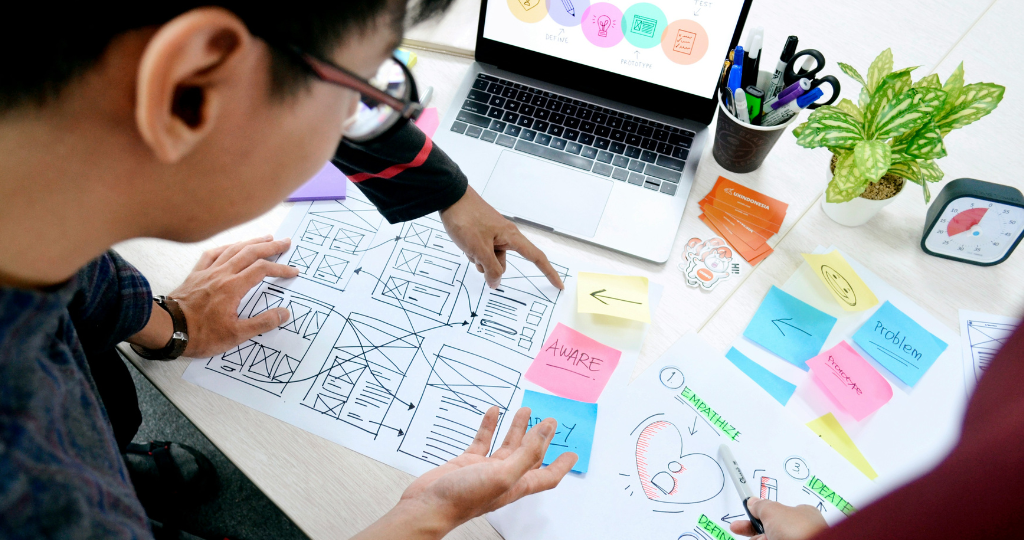
Web design is all about creating user-friendly and pleasing websites that drive engagement and conversions. Traditionally, web design has involved a combination of creativity, technical skills, and a deep understanding of user behavior. However, with the integration of AI, the landscape of web designing is changing rapidly.
AI tools can analyze vast amounts of data to help designers make more informed decisions. AI can detect patterns in how users interact with a website, providing insights that allow designers to optimize the user interface (UI) and improve the overall user experience. In this way, AI takes over some of the repetitive, data-driven tasks, enabling designers to focus more on the creative aspects of the project.
Automating Repetitive Tasks
One of the biggest challenges for web designers is the time-consuming nature of some tasks. Tasks like adjusting images, resizing elements, coding basic features, and testing for functionality can be boring and repetitive. AI-powered tools can automate many of these processes, significantly reducing the amount of time and effort required to complete a web design project.
AI can automate image editing by cropping, resizing, or enhancing visuals in real time, allowing designers to focus on refining the creative aspects of their work. Similarly, AI can streamline the coding process by suggesting or even generating code based on the designer’s inputs, reducing the need for manual coding.
This automation does not only speed up the workflow but also reduces the risk of human error, ensuring a more efficient and reliable design process. In turn, businesses can launch websites faster, keeping up with the fast-paced digital environment.
AI-Powered Chatbots and Customer Support
Customer support is a vital part of any website, and AI is transforming how businesses provide assistance to their visitors. AI-powered chatbots are now able to handle a wide range of customer queries and issues, providing instant support 24/7. These chatbots use natural language processing (NLP) to understand and respond to user questions in real time, simulating a human-like conversation.
Web designers can integrate these AI chatbots into websites, making it easier for users to get the help they need without having to wait for a human representative. In addition to offering immediate responses, AI chatbots can also collect valuable data from users, which can be used to improve future interactions and enhance the overall user experience.
For businesses, this not only saves time and resources but also improves customer satisfaction by providing instant support to visitors, regardless of time zone or location.
AI in Web Design Tools and Platforms
The tools and platforms available to web designers are becoming more intelligent with the incorporation of AI. AI-powered design platforms like Wix, Adobe Sensei, and Canva are making it easier for both professional and amateur designers to create stunning websites, without needing advanced technical knowledge.
Artificial Design Intelligence (ADI) can build a fully functional website asking the user a few simple questions about their preferences. Within minutes, the AI-generated site is live, and the user can tweak and customize it further. Adobe Sensei uses machine learning algorithms to optimize design elements and suggest improvements based on user behavior, giving designers valuable insights on how to enhance the usability of their websites.
These AI-powered tools are democratizing web design, allowing individuals with little to no design experience to create beautiful, functional websites. They also empower experienced designers to work more efficiently by automating some of the more tedious aspects of design and development.
Improving Accessibility with AI
Web accessibility is an important aspect of modern web design, ensuring that websites are usable by people with disabilities. AI can help designers create more accessible websites by automatically detecting and correcting accessibility issues.
AI tools can analyze a website’s text and suggest improvements for readability, such as adjusting contrast or font size. AI can also help generate alternate text for images, making websites more accessible to users with visual impairments who rely on screen readers. By integrating these AI-driven features into their designs, web designers can create websites that are more inclusive and accessible to a wider range of users.
The Future of Web Design with AI
As AI technology continues to advance, the possibilities for its integration into web design are virtually limitless. We can expect more AI tools and platforms that will streamline the design process, making it even easier for designers to create beautiful, functional websites in less time. Additionally, AI will continue to play a central role in improving the user experience by providing personalized content, optimizing design elements, and enabling more interactive and engaging websites.
However, while AI is certainly a powerful tool, it is important to remember that it is not a replacement for human creativity and intuition. AI can also assist designers in making data-driven decisions and automating repetitive tasks, but it still requires a human touch to create truly unique, compelling websites that resonate with users.
Conclusion
Artificial intelligence is revolutionizing web design, offering a range of tools and solutions that are changing the way websites are built and experienced. From automating repetitive tasks to providing personalized user experiences, AI is helping designers and businesses create websites that are not only more efficient but also more engaging and user-friendly. As technology continues to evolve, we can expect even more exciting innovations that will shape the future of web design and digital experiences.
Ultimately, the future of web design is one where AI and human creativity work to create smarter, more dynamic websites. By embracing AI, a leading website design company like Way2Smile can stay ahead of the curve, improve their workflow, and build websites that deliver exceptional value to businesses and users. Embracing AI in your website design strategy ensures that your business remains competitive and can deliver an optimized, user-friendly experience that engages visitors and drives results.